From document to translation in three steps
- Reviewing your documents and preparing a binding quote
- 1:1 transcription, true to the letter and character, or translation into modern, present-day language, following today's spelling rules
- Preparing the translation and sending it to you
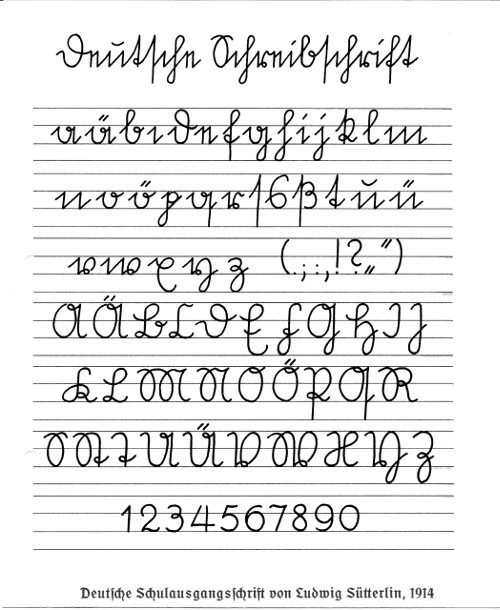
Sütterlin script – “German script”
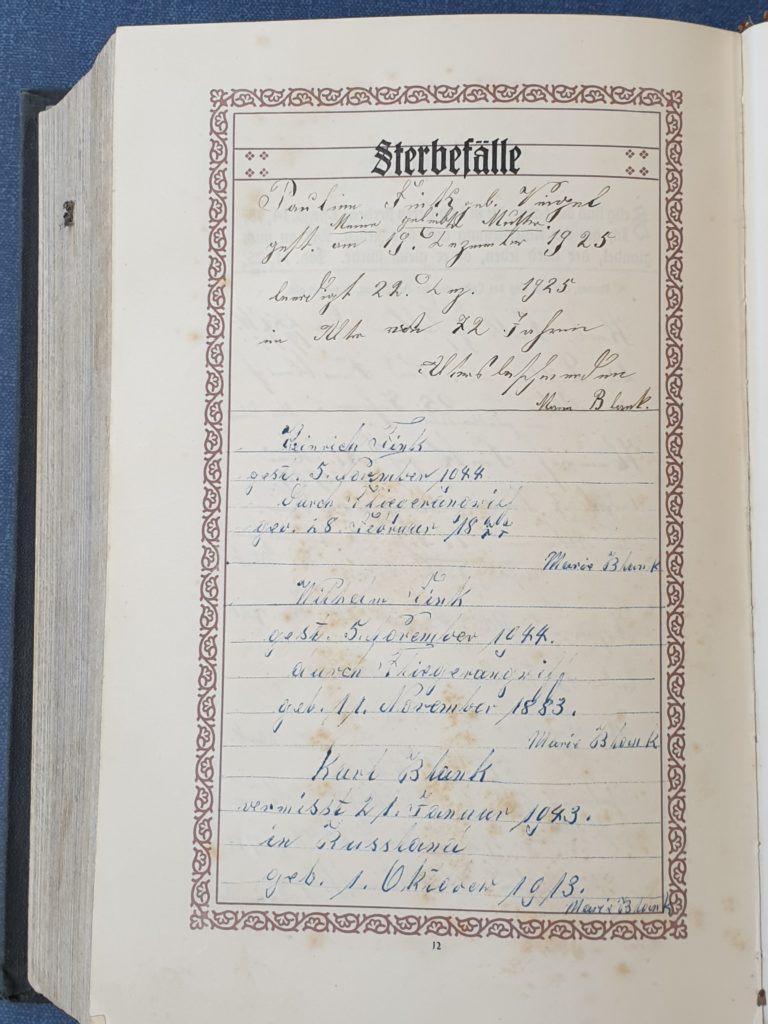
Sütterlin script is a reformed style of German Kurrent, developed in 1911 by the graphic artist and educator Ludwig Sütterlin on behalf of the Prussian Ministry of Culture, and it became the standard school handwriting during the 1920s. The colloquial term “German script” sets it apart from “Latin script”, which was long taught alongside German Kurrent as a second style of writing.
In 1941, Adolf Hitler declared Sütterlin script and the Fraktur typeface to be “Jewish letters”. Following the Nazis' “Normalschrifterlass” (standard-script decree), German-speaking regions switched to Antiqua letters and Latin cursive. As a result, only a few people today can still read this old script.
Historians and scholars from other disciplines, as well as those interested in genealogy, still need to know it in order to read documents written in German Kurrent.
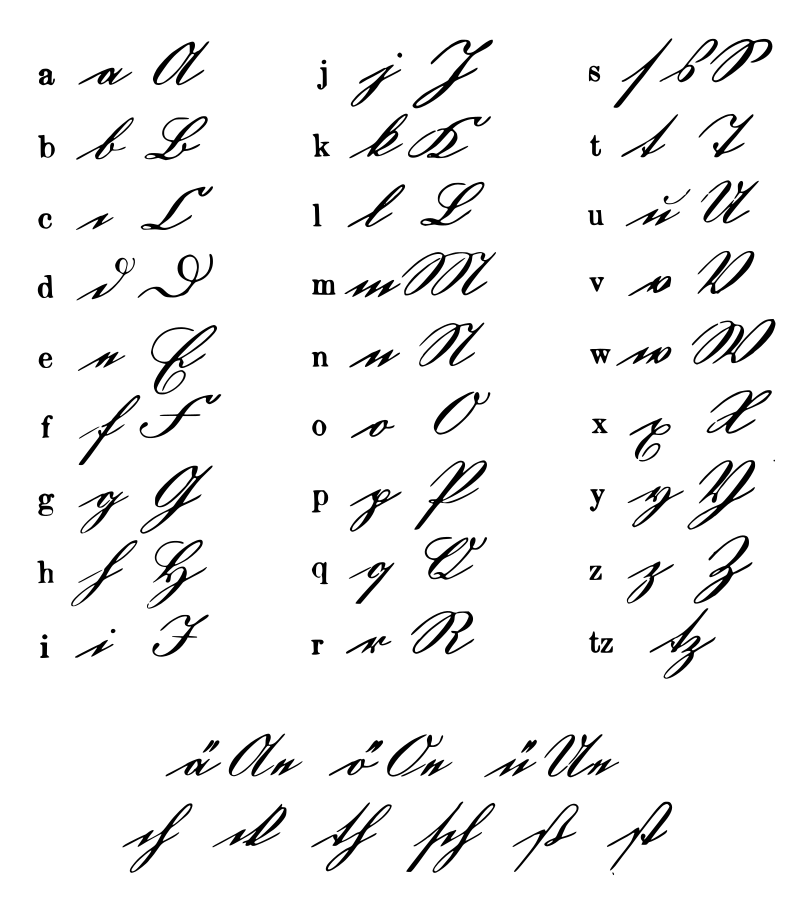
German Kurrent script
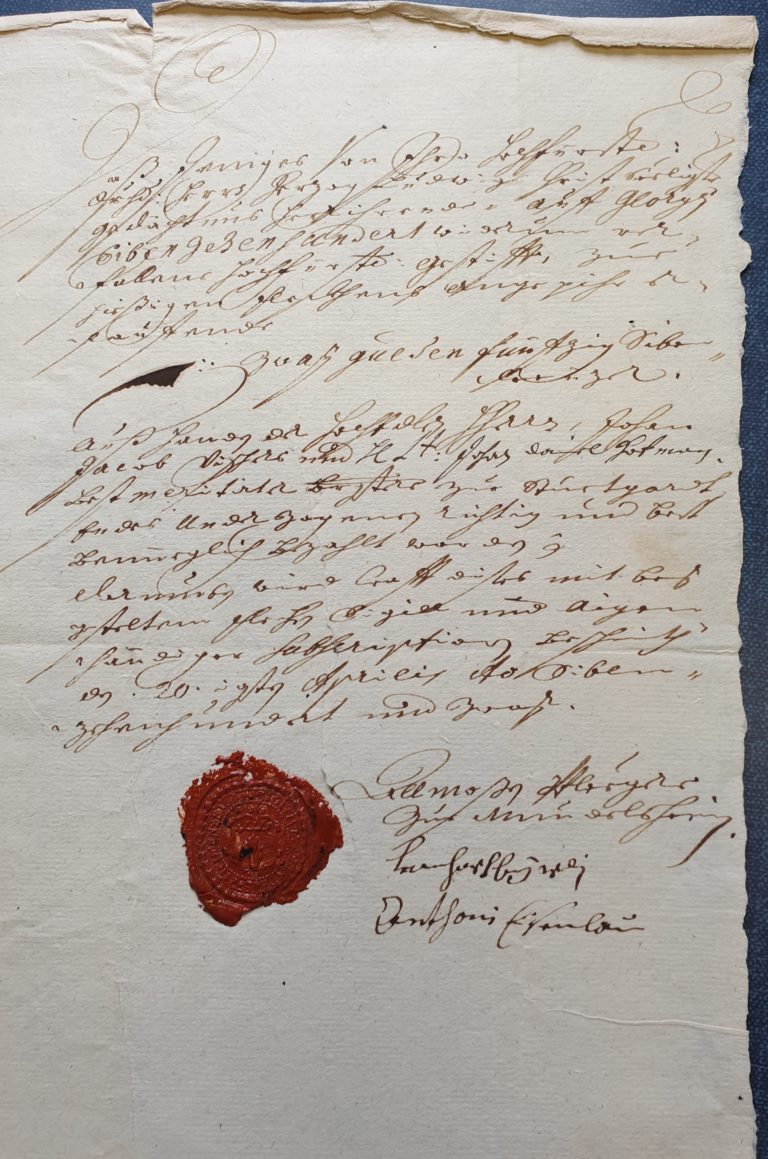
German Kurrent is a quickly written cursive script – a “running script”, from the Latin currere, “to run”. It is also simply called Kurrent. In this form, this old script was taught in schools for over 100 years. In the 19th and early 20th centuries it was the everyday handwriting used in Germany.
It differs from the round “Latin” script through its pointed angles (“pointed script”), although Kurrent also has many rounded forms. With minor variations it was also used in Scandinavia – known in Denmark and Norway as “Gotisk skrift” – until 1875.
German Kurrent was originally written with a quill, and later also with a flat-nibbed pen, which caused the stroke width to vary depending on direction. Private individuals in particular used the inexpensive and easily available quills to write letters and other documents.
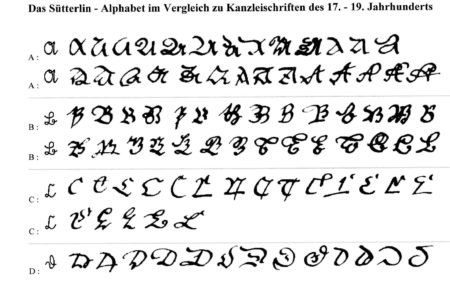
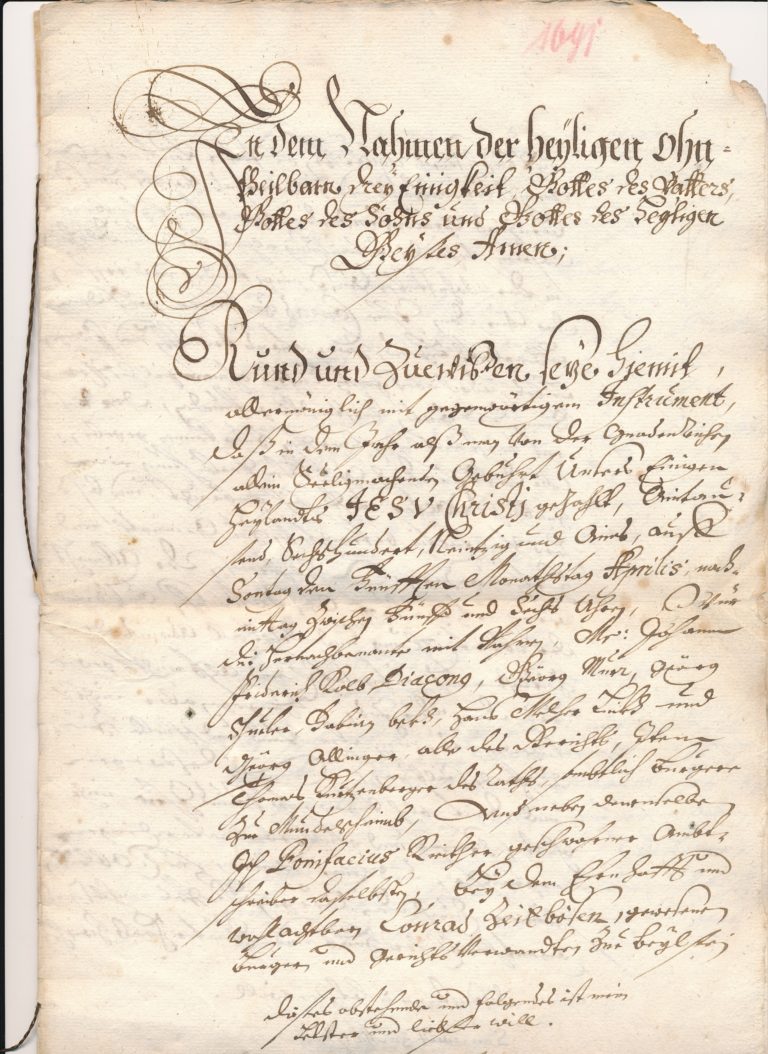
German Kanzleischrift (chancery script)
German Kanzleischrift was used in German-speaking regions for official documents and records. It developed from Latin script and is often heavily ornamented. It was therefore not an everyday script, but was used above all for official documents. The decorative character of the script was meant to emphasise the importance of the documents.
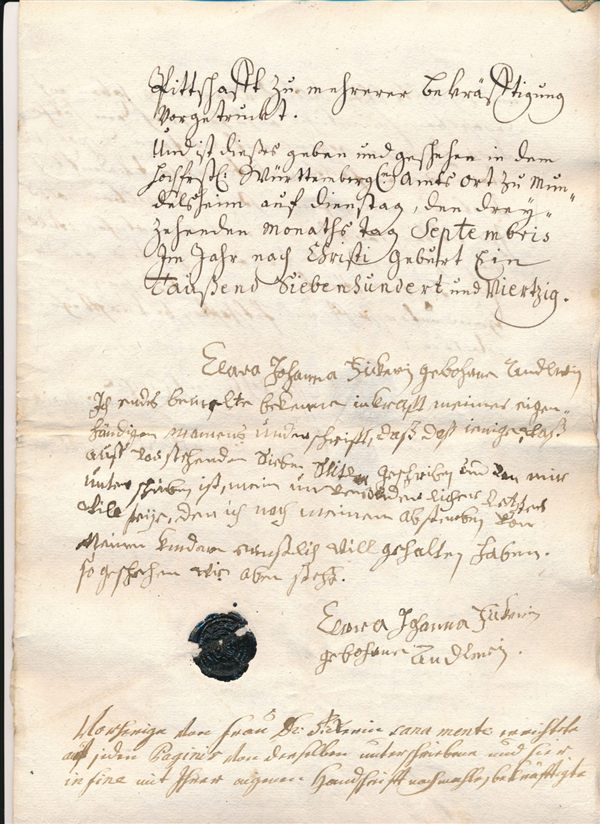
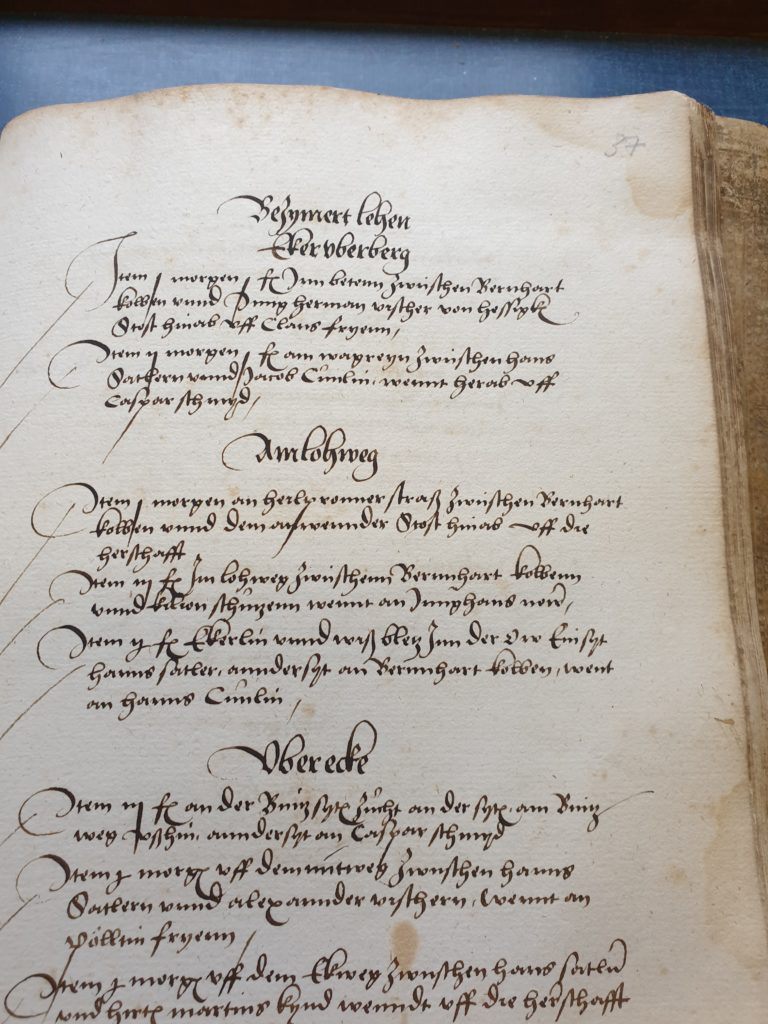
German cursive handwriting
Handwriting is as individual as the person who wrote it. Some texts are written very neatly and are easy to read. Others contain single words that can only be made out from context and by comparing individual letters.
That's why a great deal of experience with a wide variety of handwriting styles is needed to translate texts within a reasonable time. Feel free to put me to the test! Send me your most difficult handwriting – I'll gladly give it a try for you!
I can translate these and other documents for you
Examples